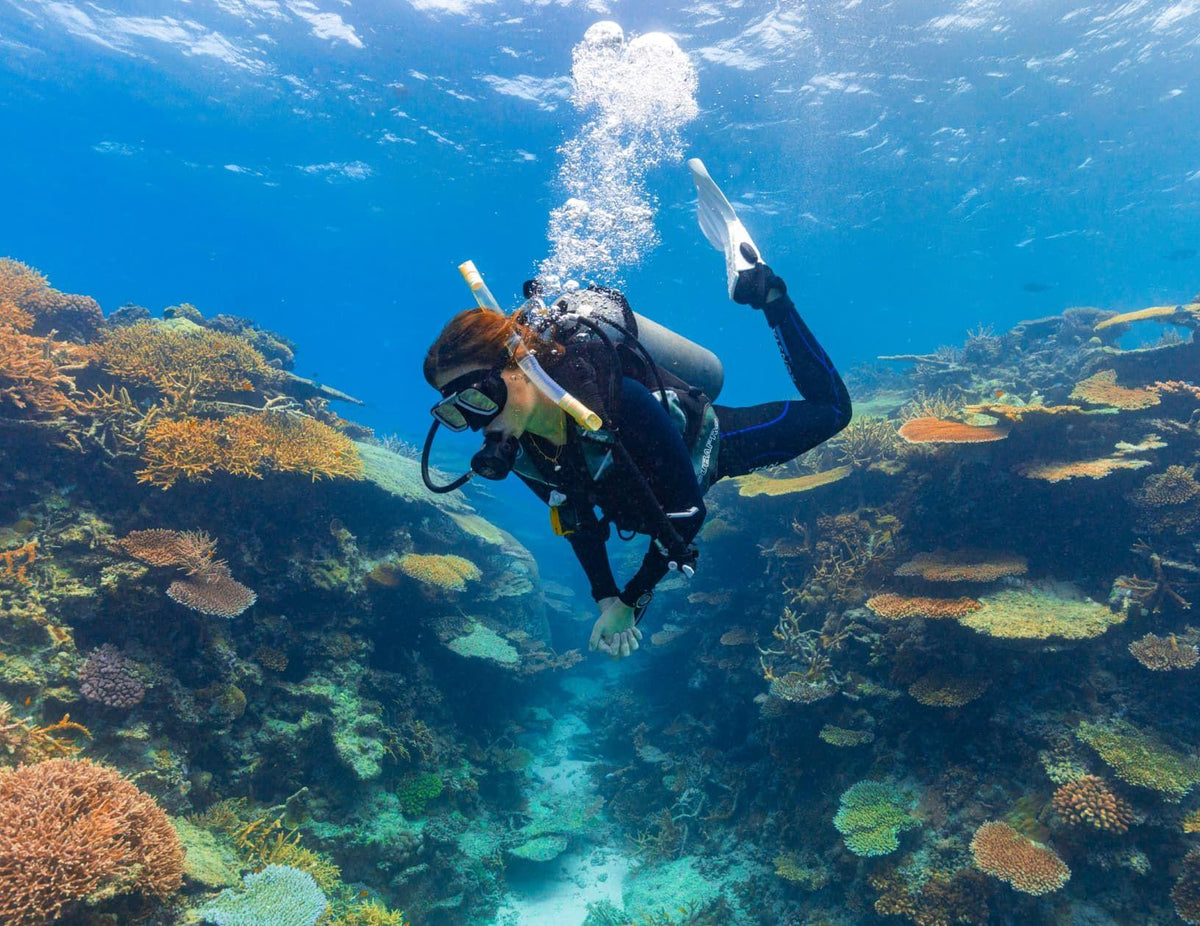

3mm vs 5mm Wetsuit: Which Thickness Is Right for You?
Choosing between a 3mm vs 5mm wetsuit is one of the most common questions for beginners and experienced water sports enthusiasts alike. The right wetsuit thickness depends on the water temperature, your activity, and how long you'll stay in the water. Understanding the difference between a 3mm wetsuit and a 5mm wetsuit will help you stay warm, comfortable, and perform at your best.
What Does Wetsuit Thickness Mean?
A wetsuit is made from neoprene, a material designed to trap a thin layer of water between your skin and the suit. Your body heats this layer, creating insulation that helps maintain your body temperature.
When comparing a 3mm vs 5mm wetsuit, the number refers to the thickness of the neoprene. A thicker wetsuit provides more insulation but slightly reduces flexibility.
3mm vs 5mm Wetsuit: Key Differences
| Feature | 3mm Wetsuit | 5mm Wetsuit |
|---|---|---|
| Water Temperature | 22–28°C | 16–23°C |
| Warmth | Moderate | High |
| Flexibility | Excellent | Good |
| Buoyancy | Lower | Higher |
| Best For | Surfing, snorkeling, tropical diving | Scuba diving, freediving, cooler water |
If you're diving in tropical destinations, a 3mm wetsuit usually provides enough warmth while allowing maximum flexibility. For cooler conditions or longer dives, a 5mm wetsuit offers better thermal protection.
Which Wetsuit Should You Choose?
Choose a 3mm wetsuit if you:
- Dive or snorkel in warm water
- Surf in summer conditions
- Prefer greater flexibility
- Want a lightweight wetsuit
Choose a 5mm wetsuit if you:
- Dive in cooler water
- Stay underwater for longer periods
- Get cold easily
- Need extra thermal protection
When deciding on a 3mm vs 5mm wetsuit, always consider the average water temperature rather than the air temperature.
Water Temperature Guide
| Water Temperature | Recommended Wetsuit |
|---|---|
| Above 28°C | Rash Guard |
| 22–28°C | 3mm Wetsuit |
| 16–23°C | 5mm Wetsuit |
| Below 16°C | 7mm Wetsuit or Dry Suit |
This wetsuit temperature guide provides a simple starting point, but personal cold tolerance and dive duration also play an important role.
Frequently Asked Questions
Is a 3mm wetsuit warm enough?
Yes. A 3mm wetsuit is suitable for most tropical diving, snorkeling, and surfing in water above 22°C.
Is a 5mm wetsuit too warm?
A 5mm wetsuit may feel too warm in tropical waters but is ideal for cooler temperatures and longer scuba dives.
Does a thicker wetsuit make you float more?
Yes. A 5mm wetsuit has greater buoyancy than a 3mm wetsuit, so scuba divers may need additional weights.
Final Thoughts
Choosing between a 3mm vs 5mm wetsuit comes down to matching your wetsuit thickness to the water conditions and your activity. A 3mm wetsuit is perfect for warm-water adventures, while a 5mm wetsuit provides the extra warmth needed for cooler dives and longer underwater sessions.
By selecting the right wetsuit thickness, you'll stay comfortable, improve your performance, and enjoy every dive with confidence.